Define the transformation
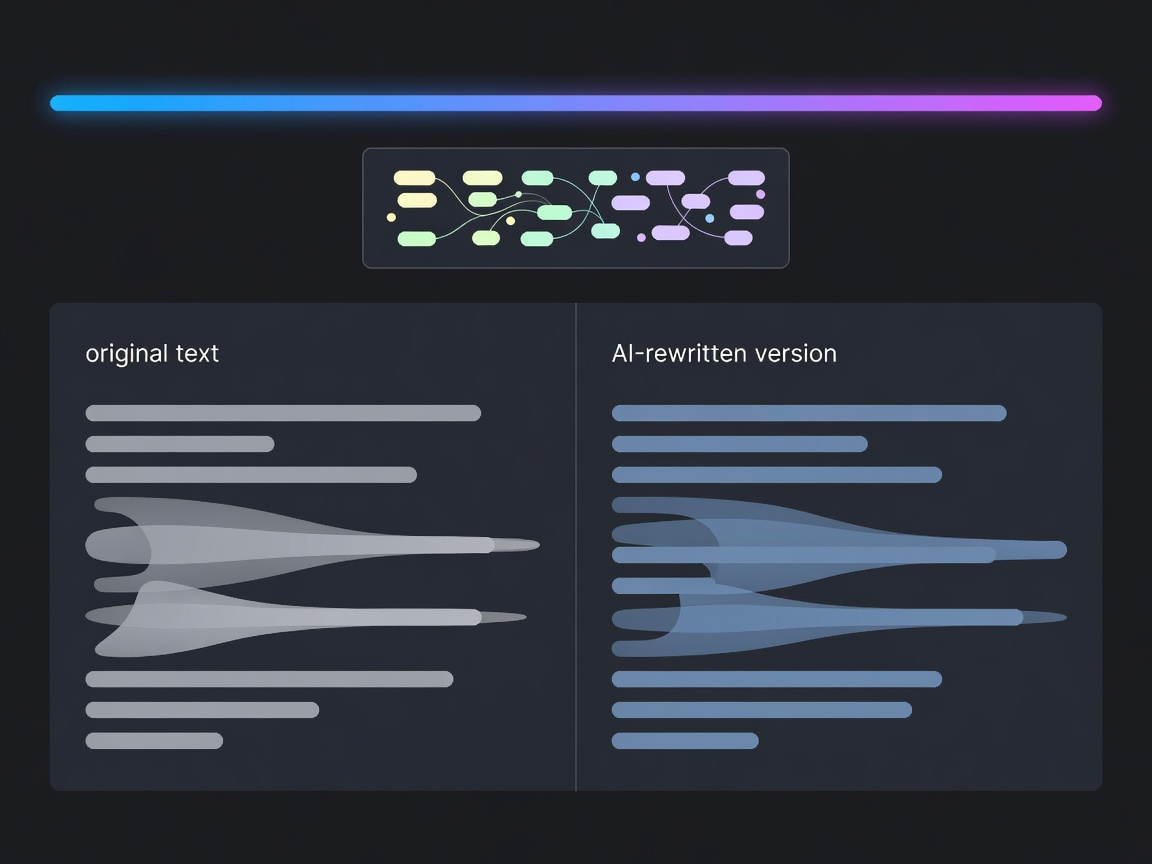
A vague request such as “rewrite this” gives AI too much freedom. A better request defines the transformation: simplify for beginners, make concise for executives, adapt for a newsletter, convert to a checklist, expand with examples, preserve legal wording, or reduce reading level while keeping technical accuracy. Each transformation has different success criteria. A simplified version should be easier to understand, but it must not remove necessary nuance. An executive summary should surface decisions and risks, not merely compress sentences.
Start by telling the model what must stay unchanged. This may include data, quotes, definitions, warnings, product names, compliance language, or chronology. Then say what can change: sentence structure, order, analogies, headings, tone, or length. This boundary prevents the model from becoming too creative with facts.
Summaries need purpose
There are several kinds of summaries. A meeting summary captures decisions, owners, deadlines, and open questions. A research summary highlights claims, evidence, limitations, and implications. A customer interview summary should separate direct quotes from interpretation. A social summary turns a longer argument into a hook, supporting point, and CTA. Asking for a “short summary” is rarely enough; ask for the format that matches the next action.
For long documents, chunking is safer than pasting everything at once. Summarize each section, then ask the model to create a final synthesis that removes duplicates and flags contradictions. If accuracy matters, require a “source trace” where each major summary point references the section it came from. AI can still make mistakes, but traceability makes review easier.
Repurposing across channels
Repurposing is where AI can save substantial time. A webinar transcript can become a blog outline, quote cards, a sales follow-up email, an FAQ, and a LinkedIn carousel script. A product release note can become help center copy, in-app announcement text, customer success talking points, and a short founder post. The source material remains the same, but each channel needs a different structure and level of detail.
The important rule is to adapt intent, not just length. A blog post teaches. A sales email persuades. A help article resolves friction. A social post earns attention. A product announcement creates clarity and momentum. Ask AI to rewrite for the channel’s job, then review whether the output respects that job.
Pros, cons, and pricing considerations
AI rewriting tools are widely available, from free browser utilities to paid writing platforms. Free tools are adequate for small, low-risk edits, but they may lack privacy controls, version history, and tone libraries. Paid tools in the £10–£60 per month range often include tone options, plagiarism checks, document storage, and team features. Enterprise plans may add private model options, administrative controls, and data retention settings. If you rewrite confidential drafts, customer interviews, contracts, or internal strategy documents, privacy and retention matter more than a clever paraphrase mode.
The main benefit is speed. AI can create alternatives quickly and help non-specialist writers improve clarity. The main risk is semantic drift: the rewritten text may sound fluent while subtly changing the meaning. Another risk is flattening voice. Many rewriting tools remove personality in pursuit of “professional” language. Keep a before-and-after review step focused on facts, tone, and specificity.
A review method that works
Use a three-pass review. First, check meaning: did any claim, number, condition, or promise change? Second, check usefulness: is the rewritten version easier for the target reader to act on? Third, check voice: does it sound like your organization, or like a generic assistant? You can ask AI to compare source and rewrite in a table listing “unchanged meaning,” “possible meaning changes,” and “removed details,” but a human should make final decisions.
Rewriting is successful when the reader gets the same truth with less friction. The best AI workflows preserve intent while improving clarity, structure, and fit for the destination channel.