SEO starts with intent, not keyword stuffing
AI is useful for SEO, but only when paired with real search strategy. A keyword list is not a brief. A good SEO brief explains who is searching, what they already know, what decision they are trying to make, and what a satisfying answer must include. It also identifies competing pages, required subtopics, internal links, expert inputs, and conversion goals. AI can help organize this information, but it should not invent search volume or pretend to have live ranking data unless connected to a trusted SEO platform.
Use AI to cluster keywords by intent: informational, commercial, navigational, comparison, local, or troubleshooting. Then ask for article structures that satisfy each cluster. For example, “best AI writing tools” needs comparison criteria, pricing context, use cases, and trade-offs. “How to summarize a report with AI” needs steps, warnings, and examples. Intent should determine format.
Creating metadata and on-page elements
AI can draft title tags, meta descriptions, H1 alternatives, FAQ answers, schema-ready summaries, and internal link suggestions. These tasks are valuable because they require many concise variations. A good title tag should be clear, specific, and within a practical length. A good meta description should summarize value and encourage the click without making promises the page does not keep.
Ask for metadata in batches with constraints: “Write ten title tags under 60 characters, avoid clickbait, include the primary phrase naturally, and vary the angle.” Then select manually. For FAQs, require answers that are accurate, brief, and non-duplicative. Do not add FAQs only because AI can generate them; add them when they answer real reader objections or search needs.
Social media from the same brief
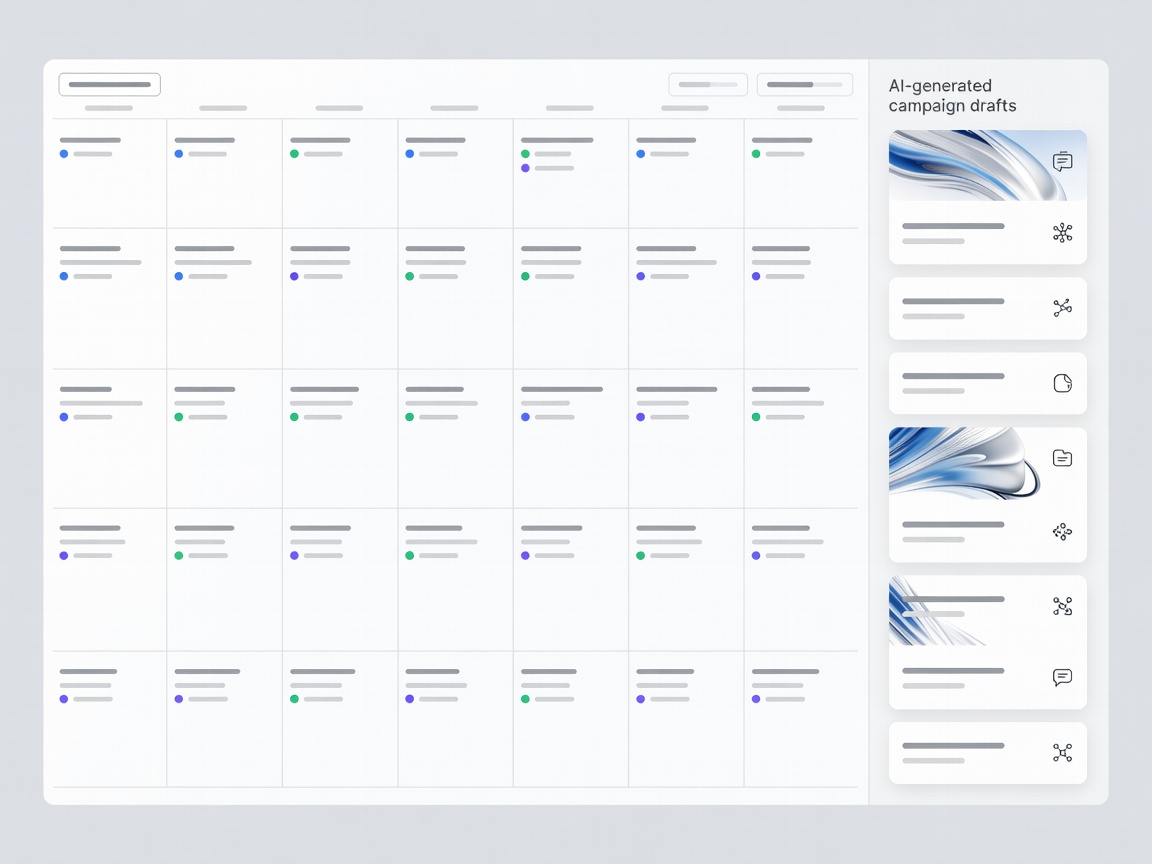
Social content needs a different rhythm from SEO content. Search rewards completeness and clarity; social rewards immediate relevance, perspective, and shareable framing. AI can adapt a blog post into LinkedIn posts, X threads, short video scripts, carousel outlines, community prompts, and newsletter teasers. The best outputs come from specifying the platform, audience awareness level, desired response, and voice.
A useful pattern is to ask for variations by angle: practical checklist, contrarian lesson, mistake to avoid, behind-the-scenes process, data point, customer problem, founder opinion, and question prompt. This prevents every post from sounding like a summary. Repurpose responsibly: if the original article is nuanced, do not let a social version turn it into an extreme claim just to earn attention.
Tool and pricing considerations
SEO-focused AI suites often cost more than general writing tools because they combine keyword databases, SERP analysis, content scoring, and team workflows. Freelancer plans can start around £25–£60 per month. Professional plans may range from £80–£250 per month, and enterprise plans can exceed that depending on seats and data access. Social media tools with AI scheduling, post generation, and analytics may cost £10–£100 per month depending on the number of channels and users.
If you already have SEO data, a general AI model may be enough to transform research into briefs and drafts. If you lack data, an SEO suite can prevent guessing. For social teams, scheduling and approval workflows may matter more than generation quality because consistency and timing are operational problems.
Pros, cons, and a practical workflow
The benefit of combining AI SEO and social workflows is leverage. One researched idea can support multiple discovery channels. AI reduces repetitive formatting and helps teams produce more variations for testing. The risk is sameness. Search pages can become over-optimized and bland; social posts can become formulaic. Another risk is publishing too much derivative content without adding expertise.
Use a source-first workflow. Create one expert brief with audience, intent, evidence, claims, product context, and examples. Produce the SEO article from that brief. Extract metadata and FAQs. Then create social variants with platform-specific hooks. Finally, review each asset for accuracy and channel fit. AI should multiply good thinking, not multiply empty content.